
Why competitor intelligence is your fastest keyword growth lever
When launching or scaling an app, keyword brainstorming has natural human limits. You understand your product's internal terminology, but your users may search using completely different colloquial vocabulary, problem statements, or slang.
Your established competitors have spent months—often years—and tens of thousands of dollars running Apple Search Ads, testing metadata iterations, and refining their search footprint. By systematically tracking their keyword positions, you effectively tap into that collective market validation for free:
- Discover proven high-intent phrases: Identify the recurring keywords top-ranking rivals prioritize in their primary metadata (Title and Subtitle).
- Uncover untapped keyword gaps: Find high-volume queries where secondary competitors rank poorly despite strong search demand.
- Contextualize ranking volatility: Determine whether an abrupt rank drop is isolated to your listing (a bug, poor reviews, or failed metadata) or part of a store-wide algorithmic update displacing the entire category.
- Anticipate seasonal pivots: Spot when competitors update their metadata for holidays, fitness seasons, back-to-school periods, or major product updates before you fall behind.
Classifying your rivals: Not all competitors are equal
One of the most common mistakes growth teams make is treating every app in their store category as a direct competitor. A category leader with 50 million downloads operates under completely different algorithmic weight than an indie utility.
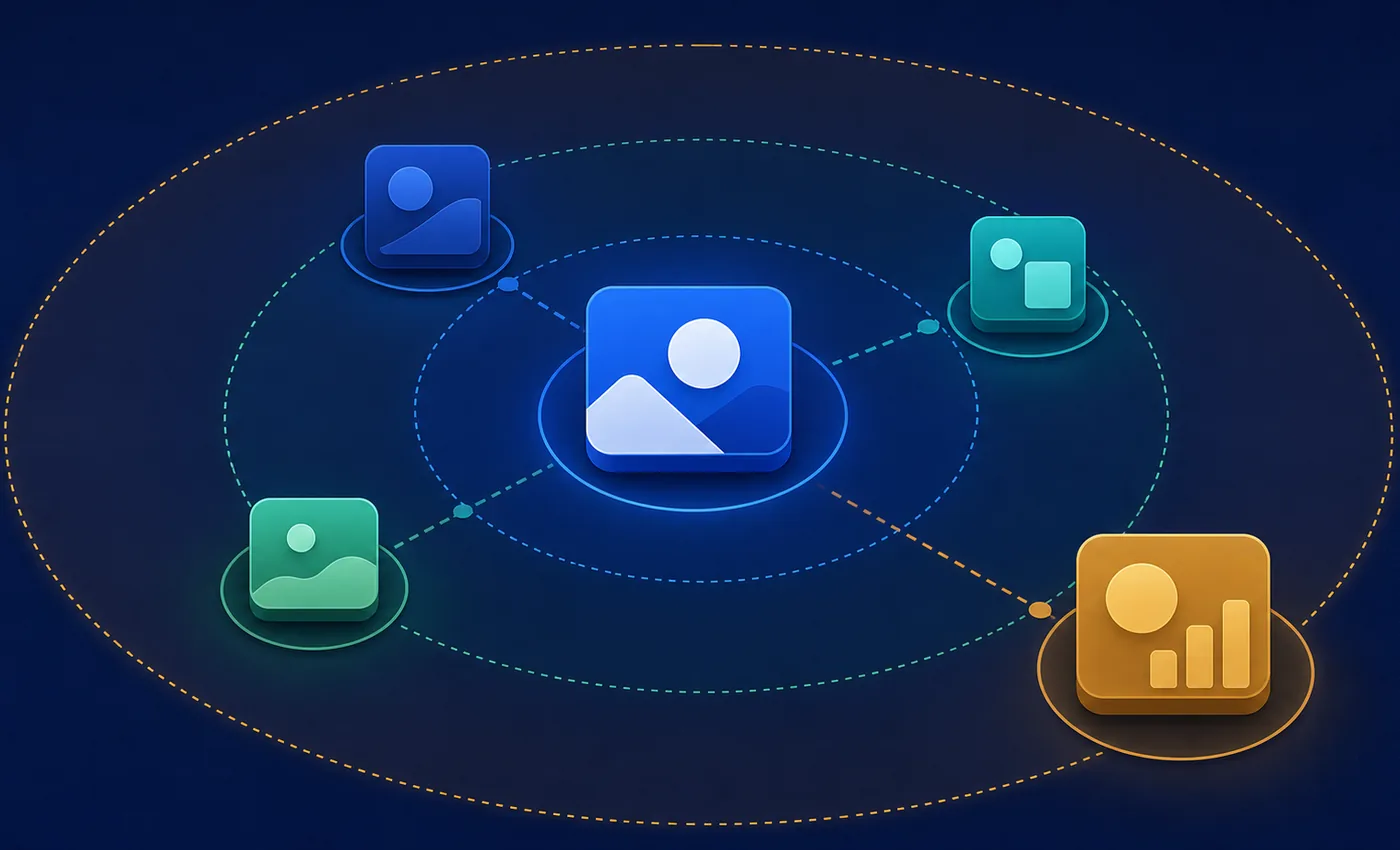
To keep your tracking list focused and actionable, divide your competitive landscape into four distinct tiers:
| Competitor tier | Definition | Primary tracking value | Action to take |
|---|---|---|---|
| Direct Rivals | Apps solving the exact same problem for the exact same target audience. | High-intent feature terms, keyword gap discovery, daily head-to-head tracking. | Target their non-brand generic keywords directly in Title and Subtitle. |
| Adjacent Products | Apps with overlapping functionality or complementary workflows (e.g., calorie counter vs. workout planner). | Cross-category search vocabulary, secondary audience intent, long-tail phrases. | Incorporate their semantic themes into long descriptions and secondary fields. |
| Category Leaders | The top 3–5 dominant apps with massive brand equity and hundreds of thousands of reviews. | Industry benchmark vocabulary, seasonal trends, localization strategies. | Do not attack their core broad keywords head-on; find long-tail variations they ignore. |
| Emerging Challengers | Newly published or rapidly rising apps climbing the top charts in your niche. | Early discovery of emerging search trends, modern ASO metadata hacks. | Monitor their velocity and verify if their breakout keywords fit your roadmap. |
The 4-step competitor keyword gap analysis framework
Once you have identified 3 to 5 direct competitors, the objective is not to copy their entire keyword portfolio. Copying a competitor's metadata guarantees you will always lag behind their authority. Instead, conduct a rigorous keyword gap analysis:

1. Shared Core Battlegrounds
Terms where both your app and direct competitors rank within the top 20. These are the lifeblood of your organic category. Track them daily to defend against sudden overtake moves.
2. High-Opportunity Gaps
Terms where competitors rank in the top 5, but your app ranks outside the top 50 or is unindexed. Check if the term is relevant: if yes, promote it into your primary metadata update.
3. Defensive Proprietary Terms
Your brand name, unique trademarked feature names, and custom methodologies where your app holds #1. Ensure no competitor begins creeping into positions #2 through #4.
Any competitor keyword that describes features your product does not offer (e.g. "free offline export" when your app requires cloud sync) should be ruthlessly discarded. Irrelevant rankings destroy conversion rates and trigger algorithmic demotions.
Track your competitors' live keyword rankings in one unified view
Stop manually searching the App Store and Google Play. Track competitor keyword overlap, spot sudden outranking moves, and get daily ranking alerts across 150+ countries with Rank Analyzer Pro.
How to find what keywords your competitors are targeting
How do you reverse-engineer what keywords a rival is optimizing for without having access to their App Store Connect or Google Play Console? Use this 4-step forensic inspection:
- Deconstruct Title and Subtitle formulas Direct rivals place their single most valuable keyword phrase in the first 30 characters of their App Name, followed by secondary modifiers in the Subtitle or Short Description. Note every exact noun and action verb.
- Extract repeated semantic density (Google Play) On Android, run competitor descriptions through a text frequency analyzer. Terms repeated 3 to 5 times in natural syntax highlight the core entities Google's NLP has associated with the app.
- Analyze screenshot captions and value propositions Screenshot headlines reflect user-facing conversion language. Often, growth teams synchronize their high-volume backend keyword targets with their visual value props.
- Verify search rank depth across stores and countries Plug the discovered candidate phrases into an automated tracker like the competitor app keyword tracker to measure exact ranking positions across major markets.
Storefront & country context: The localization pitfall
Keyword rankings are strictly bound to specific geographic storefronts. A fitness app ranking #3 for "intermittent fasting tracker" in the United States may rank #48 in the United Kingdom and remain completely unranked in Australia or Canada.
When tracking competitor keywords, always evaluate them within the specific country context:
- Local vernacular differences: In the US, users search for "vacation planner", while in the UK, "holiday planner" carries tenfold higher search volume. If you track a US competitor only in the US store, you miss critical international opportunities.
- Secondary localizations (Apple App Store): In markets like the US, Apple indexes both English (US) and Spanish (Mexico). Astute competitors utilize the Spanish localization field to index English keywords. If you don't inspect cross-localization rankings, you will miss their hidden keyword assets.
- Store platform divergence: As explored in our guide to iOS App Store vs. Google Play ASO, keyword positions on Apple do not translate to Google Play due to disparate indexing engines. Track both platforms independently.

How to ethically outrank your competitors for core keywords
Once you have identified a high-value competitor keyword where your app is lagging, how do you climb above them? ASO ranking is governed by relevance, metadata weighting, and conversion velocity:
1. Upgrade placement tier
If a competitor holds the keyword in their Subtitle while you only have it in your iOS 100-character keyword field or Google Play description, they will consistently outrank you. Move high-priority terms into your App Name or Subtitle to maximize weight.
2. Optimize visual conversion rate
Store algorithms track tap-through rate (TTR) and install conversion rate. If users search for the keyword, see your icon and screenshots, and tap your listing at a higher rate than the incumbent above you, the algorithm will reward you with higher placement over time.
3. Establish pre-change ranking baselines
Never push a metadata change to App Store Connect or Google Play Console without recording at least 7 to 14 days of baseline keyword rankings. Use our high-potential keyword guide to short-list targets before altering production metadata.
Common competitor tracking mistakes to avoid
Competitive tracking should sharpen your strategy, not distract your product vision. Watch out for these four widespread pitfalls:
- Targeting trademarked brand terms: Trying to index or rank for a direct competitor's trademarked brand (e.g. "Duolingo" or "MyFitnessPal") is a low-conversion strategy that risks metadata rejection or trademark infringement disputes. Focus on their generic category terms instead.
- Reacting to single-day fluctuations: Store search results experience temporary daily volatility. If a competitor jumps ahead of you on Tuesday, do not rewrite your app title on Wednesday. Monitor 7 to 10 days of sustained movement first.
- Tracking too many irrelevant competitors: Monitoring 25 apps floods your dashboard with noise. Limit daily tracking to your top 3–5 direct competitors and 1–2 category leaders.
- Ignoring ranking drops: If your position slips abruptly, review our diagnostic guide on why app keyword rankings drop to separate competitor aggression from store bugs.
FAQ
How do I find out what keywords my competitor is ranking for?
Inspect your competitor's title, subtitle, short description, and package name for repeated seed phrases, then run those keywords through a dedicated ASO tracker like Rank Analyzer Pro to observe their exact ranking positions across countries and stores.
Should I target my competitor's brand name in my keywords?
Generally no. Targeting direct trademarked competitor brands violates App Store and Google Play guidelines, leads to lower conversion rates because user intent is brand-specific, and carries high bid costs in Apple Search Ads.
What is competitor keyword gap analysis in ASO?
Competitor keyword gap analysis is the process of comparing your app's indexed keywords against direct rivals to identify high-volume, relevant terms where competitors rank in the top 10 but your app is absent or underperforming.
How often should I monitor competitor app keyword rankings?
Monitor your top 3 to 5 direct competitors daily or weekly for core high-intent keywords. Frequent tracking helps you immediately spot whether an abrupt ranking drop is an isolated issue or part of a category-wide algorithmic shakeup.
Why do competitor rankings differ between the US and other countries?
Search behavior, localized vocabulary, download velocity, and category competition vary dramatically by storefront. A competitor dominating rank #1 in the US may rank outside the top 50 in the UK or Germany due to poor localization.
Turn competitor intelligence into market dominance
True ASO mastery is not about copying what others have built; it is about recognizing market demand before others satisfy it. By monitoring direct competitor keyword movements, executing structured gap analyses, and refining your metadata placement with verified evidence, you position your app to steadily outrank incumbents and capture valuable organic downloads.